Why Drainage Is the Hidden Foundation of Great Landscape Design
Why Drainage Is the Hidden Foundation of Great Landscape Design
Beautiful landscapes don’t happen by accident—they’re built on strong foundations, both visible and invisible. One of the most overlooked yet essential elements of every successful landscape design is drainage.
At Landscape Gal, we know that no amount of plants, patios, or stonework can overcome poor water management. Proper drainage is what keeps soil stable, patios level, and plants healthy through Minnesota’s extreme weather conditions. Without it, even the most stunning landscape can suffer from erosion, flooding, or foundation damage.
This article explains why drainage is the hidden foundation of great landscape design and how thoughtful water management transforms your property from the ground up.
The Role of Drainage in a Healthy Landscape
Drainage is more than just moving water away—it’s about controlling where water goes, how it’s absorbed, and how it interacts with your landscape.
In Minnesota’s variable climate, where snowmelt and spring rain can bring heavy runoff, a well-planned drainage system ensures your landscape can handle excess water efficiently.
Key benefits of proper drainage include:
- Preventing erosion on slopes and planting beds
- Protecting foundations and basements from water intrusion
- Preserving soil structure and preventing compaction
- Keeping patios and walkways stable and level
- Promoting healthy plant growth by preventing root rot
In short, drainage design is the backbone of landscape stability and longevity.
Common Drainage Problems in Minnesota Yards
Many homeowners in Northfield, MN and surrounding areas deal with similar drainage challenges caused by our region’s clay soils and freeze-thaw cycles. Some of the most common issues include:
- Standing water after rain or snowmelt
- Water pooling near the foundation
- Erosion on sloped areas or garden beds
- Saturated lawns that never fully dry out
- Frost heaving of patios or pavers
- Mildew or mold growth on shaded, wet surfaces
These problems can be subtle at first, but over time they lead to costly damage if not corrected through proper grading and design.
How Drainage and Design Work Together
Every landscape project should begin with a drainage plan. At Landscape Gal, we integrate grading, water flow, and soil composition into every design before the first plant or stone is placed.
This solution-based approach ensures:
- Water is directed away from the home and critical structures.
- Surfaces like patios and walkways slope correctly for runoff.
- Natural low spots are used strategically for features such as rain gardens.
- Subsurface drains are installed where necessary to manage groundwater.
By designing for water first, you create a foundation for every other landscape feature to perform at its best.
Smart Drainage Solutions for Minnesota Landscapes
There is no one-size-fits-all approach to drainage. The best solution depends on soil type, slope, and how your property interacts with rainfall and snowmelt. Here are some of the most effective methods used in Minnesota landscapes.
1. Grading and Re-Sloping
Proper grading ensures water flows naturally away from your home and hardscape areas. The ideal slope is about one inch per ten feet away from the foundation.
Landscape Gal uses laser-level precision to reshape ground contours, eliminating low spots and redirecting runoff toward safe drainage zones.
2. French Drains
A French drain is a subsurface system made of perforated pipe surrounded by gravel. It collects water and channels it underground to a discharge point.
This is ideal for:
- Yards with persistent soggy areas
- Foundations or low-lying zones
- Retaining walls or paved areas where water collects
French drains are discreet, effective, and long-lasting when installed properly.
3. Dry Creek Beds and Swales
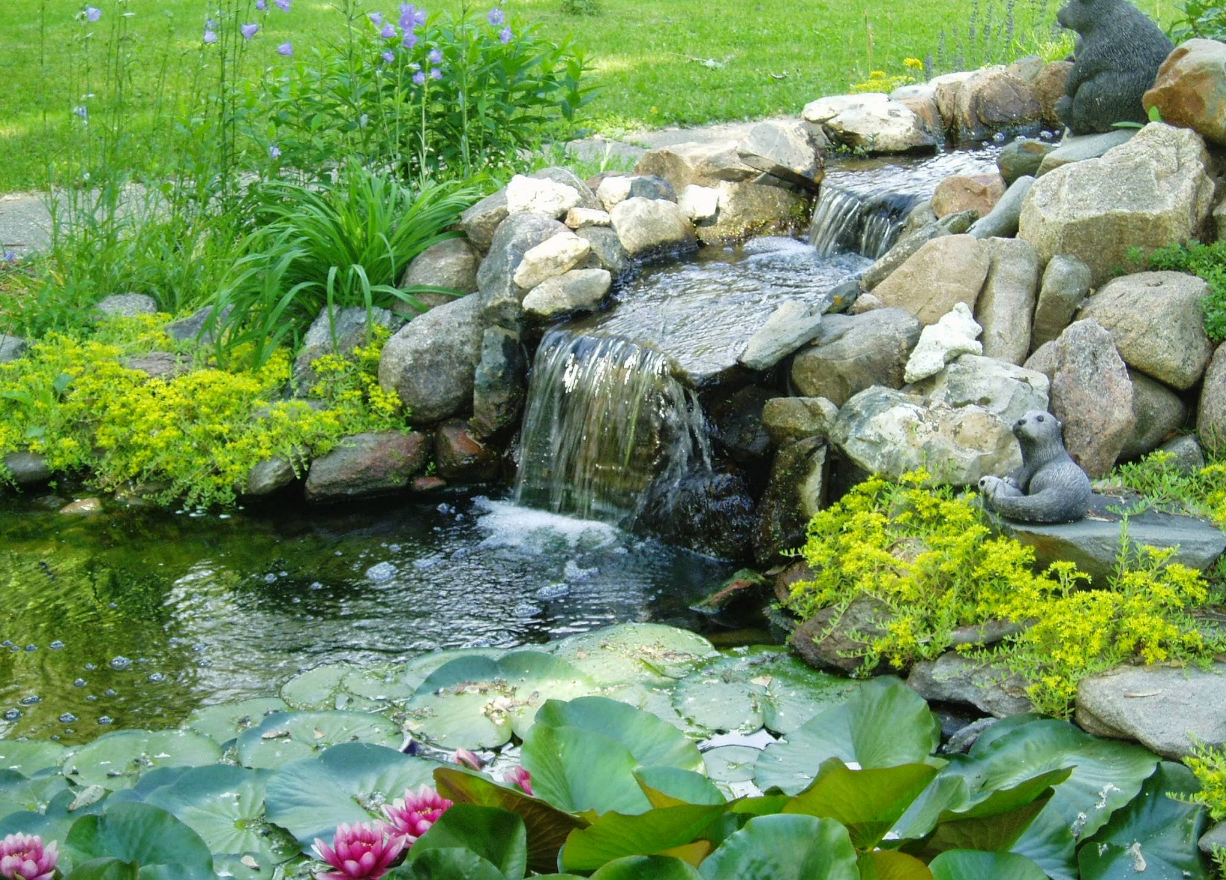
Swales and dry creek beds guide water across the landscape while adding visual appeal. They mimic natural waterways using river rock or decorative stone, allowing stormwater to flow gradually and soak into the soil.
They are especially effective for properties with moderate slopes or heavy seasonal runoff.
4. Rain Gardens
Rain gardens are both functional and beautiful. They capture runoff from roofs, driveways, or lawns and filter it through layers of soil and deep-rooted native plants.
Not only do they help manage drainage, but they also:
- Reduce pollution in local waterways
- Support pollinators and wildlife
- Add seasonal color and texture
Landscape Gal designs rain gardens using hardy Minnesota-native plants that thrive in both wet and dry conditions.
5. Retaining Walls with Drainage Systems
In sloped yards, retaining walls are both structural and hydrological tools. Behind every properly built wall is a layer of gravel and perforated pipe to relieve water pressure and prevent bulging or collapse.
These walls stabilize soil, prevent erosion, and direct water safely away from high-risk areas.
Why DIY Drainage Fixes Often Fail
It might seem simple to dig a trench or add gravel where water collects, but without understanding soil types, water tables, and slope dynamics, these fixes are temporary at best.
Common DIY mistakes include:
- Installing drains that direct water toward neighboring properties
- Failing to account for frost depth, leading to cracked pipes
- Using improper backfill materials that compact and block flow
- Ignoring existing grading errors that make water pooling worse
Professional drainage design prevents these issues by analyzing your property holistically and ensuring long-term performance.
Integrating Drainage Into Landscape Design
Drainage doesn’t have to be hidden or purely functional—it can also enhance your landscape’s beauty.
Creative ways to blend drainage into design include:
- Stone-lined channels that double as decorative creek beds
- Permeable patios that manage runoff while looking elegant
- Stepped retaining walls with built-in planting areas
- Rain gardens that add seasonal color and biodiversity
At Landscape Gal, we make sure water management feels intentional and natural, not like an afterthought.
The Long-Term Value of Proper Drainage
Investing in drainage solutions may not be as immediately visible as a new patio or flower bed, but it adds tremendous value and longevity to your landscape.
Proper drainage helps you:
- Avoid costly repairs to patios, foundations, and lawns
- Reduce erosion and loss of expensive landscaping materials
- Extend the lifespan of hardscapes and plants
- Increase property value through lasting quality
A well-drained landscape simply performs better—and requires less maintenance over time.
FAQs About Drainage and Landscape Design
Q1: How can I tell if my yard has poor drainage?
If you see standing water more than 24 hours after rain, soggy soil, or water seeping into your basement, you likely need drainage improvements.
Q2: Can drainage be added to an existing landscape?
Yes. Landscape Gal frequently installs drainage systems beneath or around existing yards, patios, and plantings with minimal disruption.
Q3: Does proper drainage increase home value?
Absolutely. Well-designed drainage protects foundations and landscaping, increasing the overall longevity and appeal of your property.
Q4: How often should I inspect my drainage system?
Inspect each spring and fall to ensure outlets, swales, and drainpipes remain clear of debris.
Q5: Can landscaping plants improve drainage naturally?
Yes. Deep-rooted native plants like switchgrass, sedges, and coneflowers help absorb excess moisture and prevent soil compaction.
Why Choose Landscape Gal for Drainage Design in Northfield, MN
Based in Northfield, Minnesota, Landscape Gal takes a solution-first approach to every project. We believe good design starts with how water moves through your property.
Our team provides:
- Expert grading and soil evaluation
- Installation of French drains, swales, and rain gardens
- Integration of drainage systems into patios, walkways, and retaining walls
- Long-term designs that balance beauty and function
We don’t just make landscapes look great—we make them work beautifully in every season.
Start with a Drainage Assessment Today
If you are seeing signs of drainage issues or planning a new landscape project, start with the foundation—your drainage system.
Contact Landscape Gal to schedule a professional drainage and grading assessment. We serve Northfield, Rice County, and the southern Twin Cities metro area, helping homeowners build landscapes that last.
Call (612) 366-3477 or visit https://www.landscapegal.com to get started.
Recent Posts