How Proper Grading Prevents Flooding in Minnesota Yards
How Proper Grading Prevents Flooding in Minnesota Yards
If you have ever noticed puddles forming near your foundation, soggy spots in the lawn, or erosion after a heavy rain, you may have a grading problem. Proper yard grading is one of the most important factors in preventing flooding and maintaining a healthy, functional landscape.
At Landscape Gal, we specialize in solution-based landscape design, ensuring every yard we build is shaped and sloped to move water safely and efficiently. In Minnesota’s climate, where snowmelt and rain can cause major runoff, good grading is not just helpful—it is essential.
This article explains how grading works, why it matters, and how professional grading can prevent costly flooding and landscape damage across Northfield and southern Minnesota.
What Is Yard Grading?
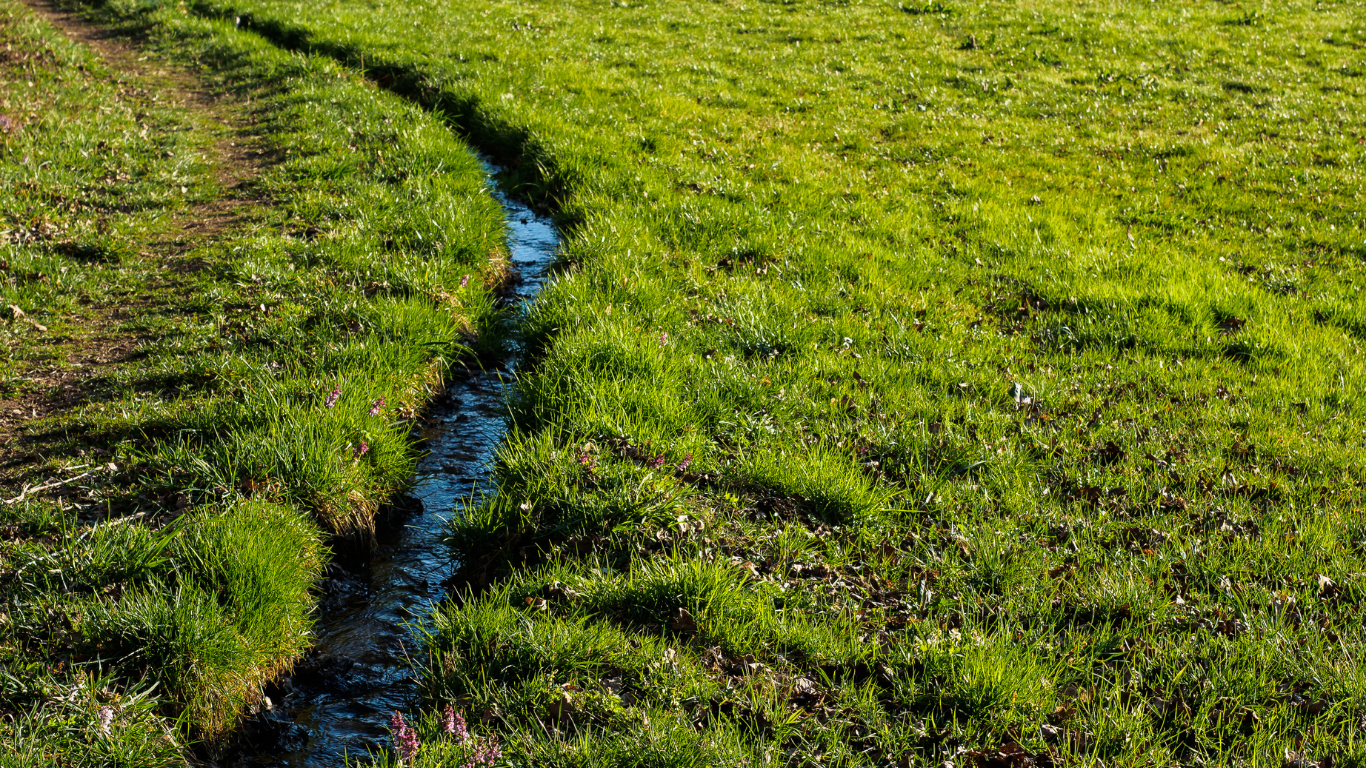
Grading refers to the way your land is shaped to control how water flows across it. A well-graded yard slopes gently away from the home and directs runoff toward safe drainage areas such as swales, rain gardens, or storm drains.
Proper grading ensures:
- Water flows
away from your home and structures
- Lawn and planting areas drain evenly
- Patios, walkways, and driveways remain dry and stable
- Soil erosion is minimized on slopes and embankments
Without correct grading, even small dips or uneven areas can trap water, leading to long-term flooding problems.
Why Grading Is Critical in Minnesota Landscapes
Minnesota’s weather creates constant challenges for homeowners. During spring thaw and summer storms, large volumes of water move through the soil quickly. If your yard is not graded properly, this runoff has nowhere to go.
Key reasons grading is essential in our region:
- Freeze-Thaw Cycles: When water collects and freezes, it expands, pushing soil and hardscape surfaces upward. This causes uneven patios, cracked pavers, and foundation stress.
- Heavy Rainfall: Sudden storms can overwhelm flat yards, leading to pooling or erosion.
- Snowmelt: In spring, melting snow saturates the ground, increasing the risk of basement leaks or lawn damage.
- Clay Soils: Common in Rice County and the Twin Cities area, clay soils drain slowly, making slope and contour even more important.
Proper grading manages these natural conditions by guiding water away from your home and redistributing it safely throughout your property.
Signs of Poor Grading in Your Yard
Many homeowners are unaware of grading problems until visible damage occurs. Watch for these common signs:
- Water pooling near the foundation or on the lawn
- Soft, spongy soil long after rainfall
- Cracks or leaks in basement walls
- Washed-out mulch or soil erosion
- Uneven lawn areas or exposed roots
- Frost heaving under patios or walkways
If you notice any of these, it may be time for a professional grading evaluation.
How Professional Yard Grading Works
Correcting or improving yard grading is a precise process. At Landscape Gal, we approach grading as both an engineering and design challenge, ensuring form and function work together.
Step 1: Site Evaluation
We begin by assessing slope direction, soil type, and existing drainage. Using laser or transit levels, we map your property’s elevations to identify problem areas.
Step 2: Design Plan
We create a grading plan that redistributes soil to form gentle, natural-looking slopes. The standard rule is a 1-inch drop per 10 feet away from structures.
Step 3: Excavation and Soil Movement
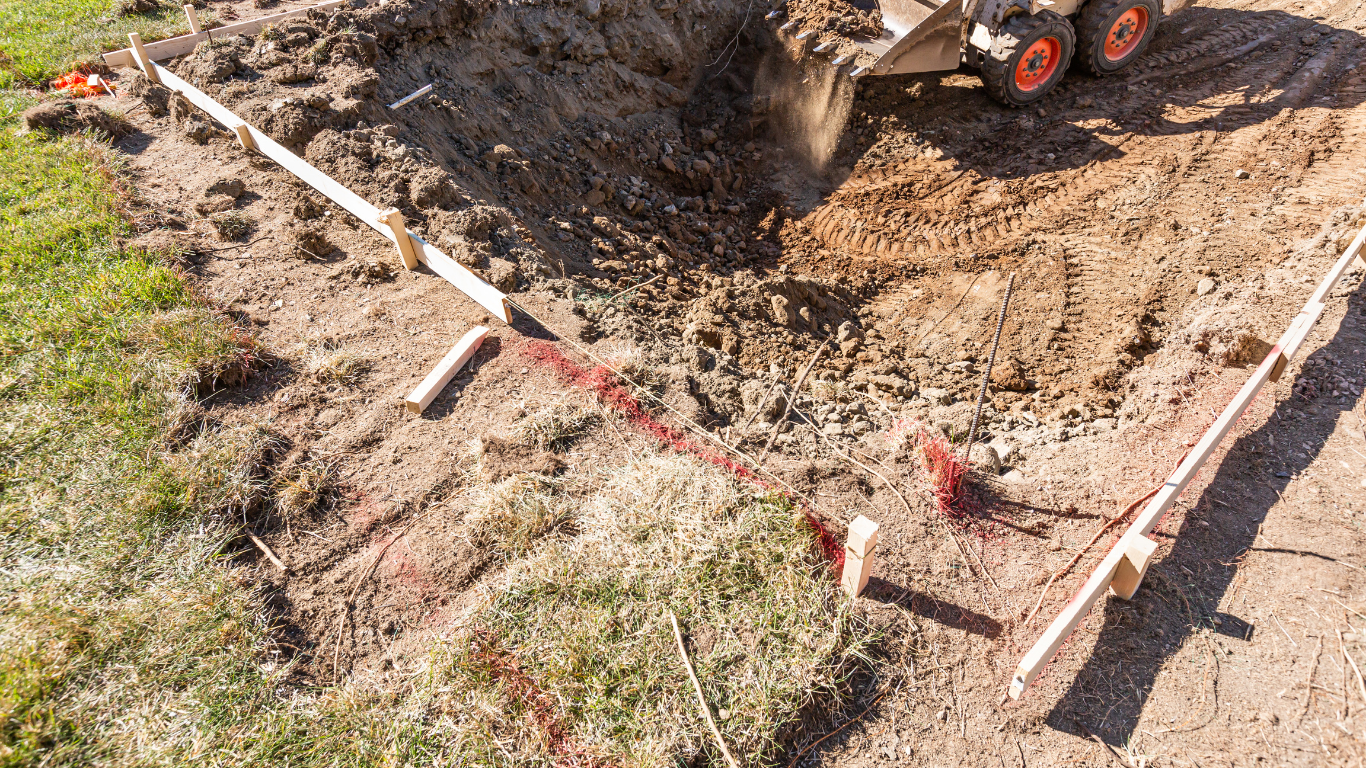
Heavy equipment is used to cut or fill areas, shaping the yard to match the design plan. We compact soil properly to prevent settling.
Step 4: Integration with Drainage Features
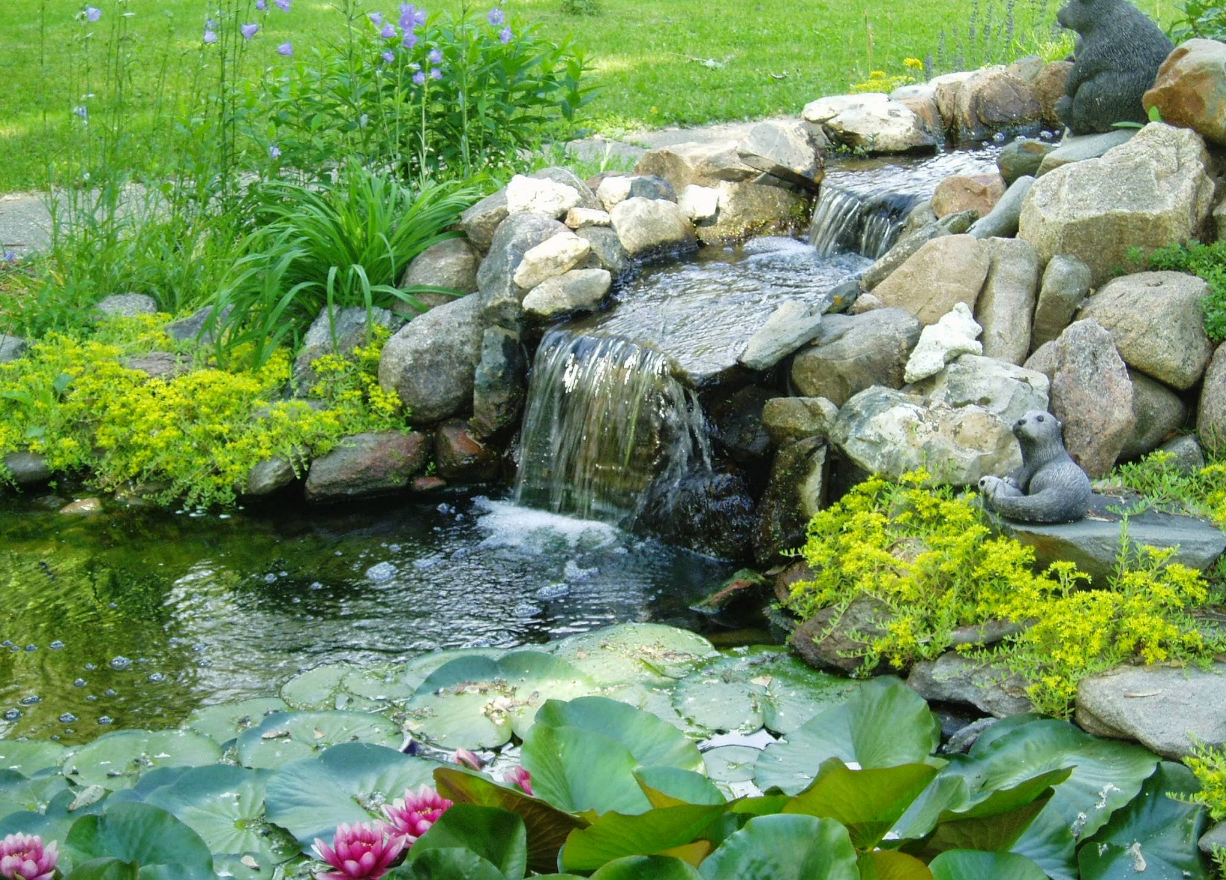
Grading is paired with drainage systems such as swales, French drains, or dry creek beds to handle runoff efficiently.
Step 5: Finishing and Planting
Topsoil is added and shaped for smooth transitions. Sod or plantings are installed to stabilize the soil and enhance appearance.
This process ensures long-term protection against flooding and erosion.
Grading Around Foundations
One of the most important areas to grade correctly is near your home’s foundation. If the soil slopes toward the house instead of away, water will collect where it causes the most damage.
To prevent this:
- Maintain a
minimum slope of 6 inches over 10 feet away from the foundation.
- Keep soil slightly higher than adjacent patios or driveways.
- Ensure downspouts discharge at least 6 feet from the home.
Proper foundation grading keeps basements dry and prevents costly water intrusion.
Surface vs. Subsurface Drainage
Grading primarily handles surface water, but it can also be designed to work with subsurface drainage systems for complete protection.
- Surface Drainage: Controls how water moves across visible terrain. It includes slopes, swales, and shallow channels.
- Subsurface Drainage: Manages water trapped underground using French drains or perforated pipes.
Combining both systems ensures your landscape remains balanced, preventing oversaturation or erosion.
Preventing Erosion with Smart Grading Design
Improper slope steepness can cause soil to wash away during storms. A well-designed grading plan reduces runoff velocity and stabilizes soil.
Additional techniques include:
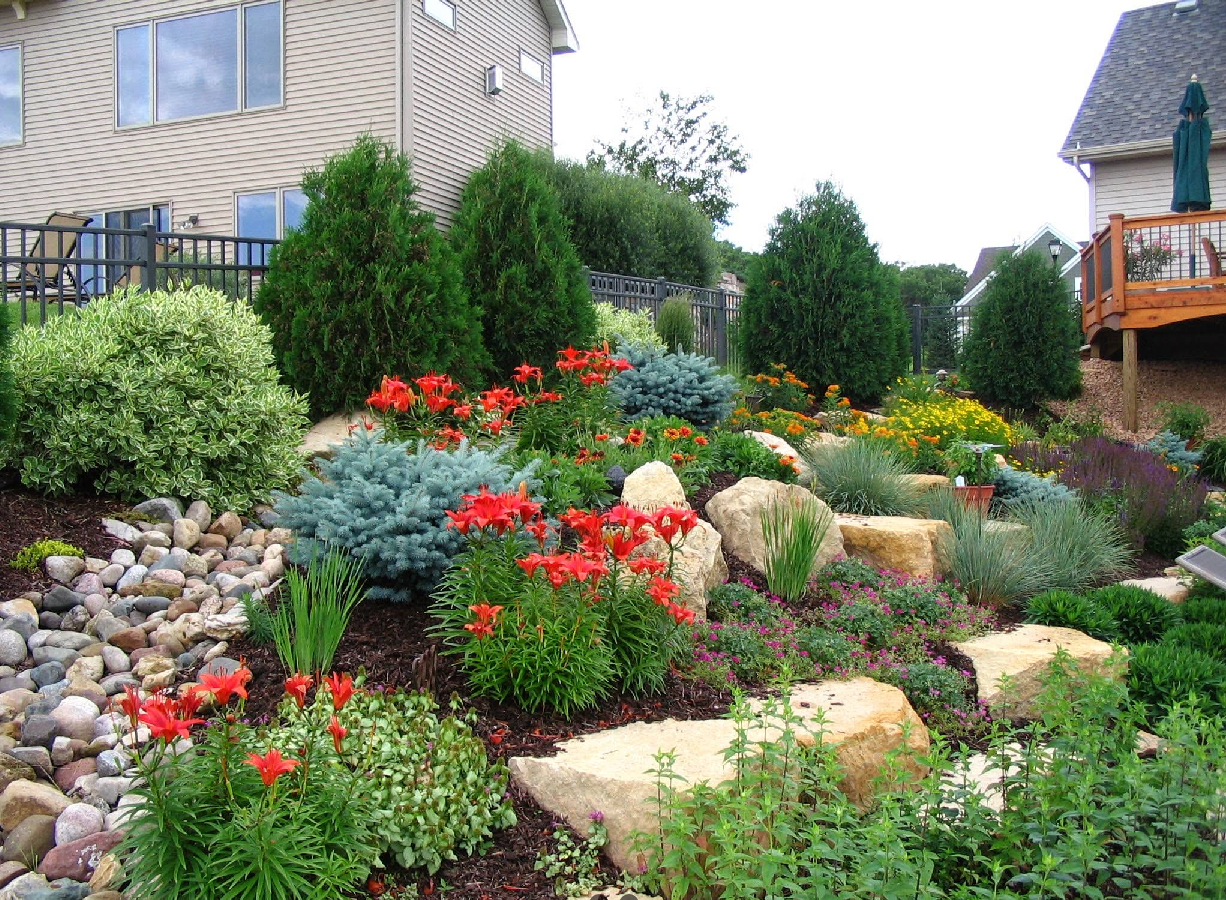
- Terracing or retaining walls to break up steep slopes.
- Boulder outcroppings to stabilize embankments.
- Native plantings and groundcovers that anchor soil naturally.
- Mulching to absorb water and reduce splash erosion.
Landscape Gal often integrates these elements into functional yet visually appealing designs.
The Connection Between Grading and Landscape Aesthetics
While grading is a technical process, it also shapes the look and feel of your landscape. Contours and slopes add dimension, visual movement, and definition to your outdoor space.
Thoughtful grading can:
- Highlight architectural features of your home.
- Create natural-looking transitions between patios, lawns, and garden beds.
- Improve curb appeal by creating gentle, flowing lines.
- Increase property value by enhancing usability and beauty.
A functional slope can still look natural and refined when designed by professionals who understand both art and engineering.
FAQs About Yard Grading in Minnesota
Q1: How often should I have my yard grading checked?
Inspect grading every few years, especially after major weather events or construction work that disturbs soil.
Q2: Can grading fix basement water problems?
In many cases, yes. Correcting slope and extending downspouts often resolves foundation leaks without costly waterproofing.
Q3: How much does professional grading cost?
Pricing depends on yard size and severity of issues, but most residential projects range between $1,000 and $5,000.
Q4: Can I grade my yard myself?
Small adjustments can be made by homeowners, but major grading requires professional tools and expertise to ensure accuracy and stability.
Q5: Will new grading damage my existing landscaping?
Landscape Gal minimizes disruption by planning grading around existing trees and features or restoring areas after soil work.
Why Choose Landscape Gal for Grading and Drainage Solutions
As a locally owned company serving Northfield, Rice County, and the southern Twin Cities, Landscape Gal has years of experience designing landscapes that balance beauty and functionality.
Our solution-based design process ensures proper grading is built into every project—from patios and retaining walls to entire property renovations.
We offer:
- Expert site analysis and grading design
- Drainage systems integrated into every plan
- Erosion control solutions for sloped properties
- Sustainable designs tailored to Minnesota’s environment
Every landscape we install is built to last, starting with a solid foundation of smart grading.
Protect Your Property with Professional Grading
Poor grading is one of the leading causes of flooding and foundation problems, but it is also one of the easiest to fix with professional help.
If your yard shows signs of water damage or uneven drainage, contact Landscape Gal for a consultation. We will evaluate your property, create a custom grading plan, and ensure your landscape performs as beautifully as it looks.
Call (612) 366-3477 or visit https://www.landscapegal.com to schedule your appointment.
Serving homeowners across
Northfield, Rice County, and the southern Twin Cities metro area.
Recent Posts